The Atelier
Their education, built around them.
The core WSA experience for ages 0–18. Personalised Journeys, Guides, progression, Journal and the wider WSA learning system.
Explore The Atelier →World School Atelier · Ages 0–18
Interest-led learning that travels with your child, connects them to the world, and never depends on a particular school, country or system.
The difference
WSA moves with your child, building one continuous intellectual life across every move, language and stage to 18.
One evolving Journey and Journal that carries on across countries, school changes and seasons of travel.
Designed for children who live between places: each child’s languages are part of their profile, and every new place becomes part of the learning.
Learning connects to recognised international frameworks, so a formal pathway stays open whenever it matters.
Through the Atlas, cities, workshops and landscapes become fieldwork for what your child already loves.
You see what your child noticed, made and understood, without reconstructing it yourself.
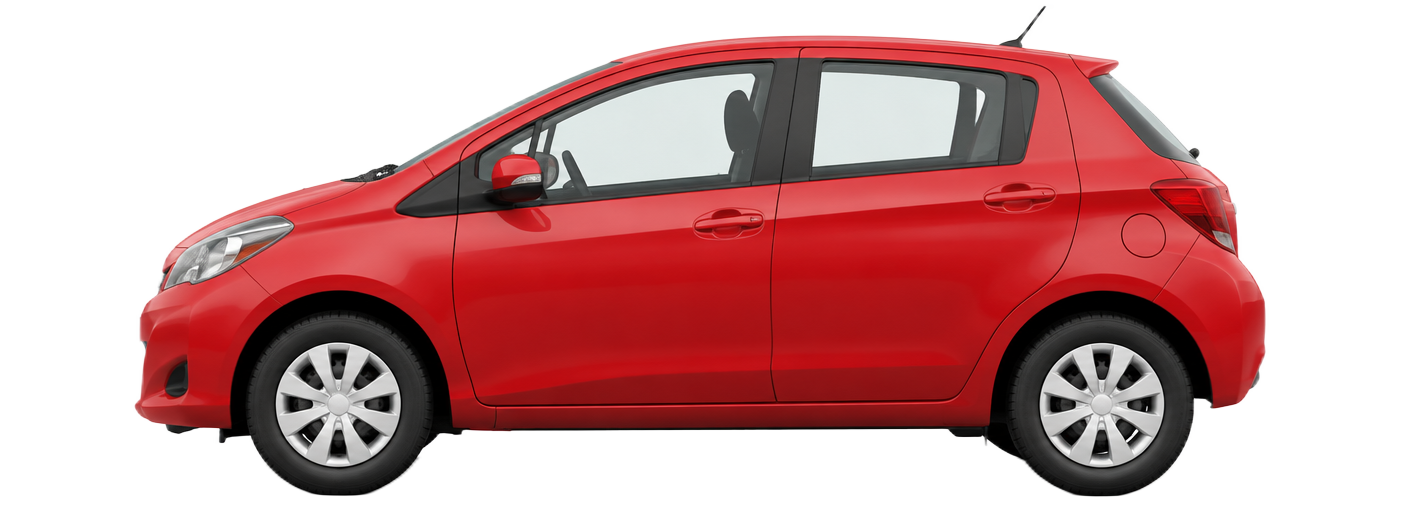
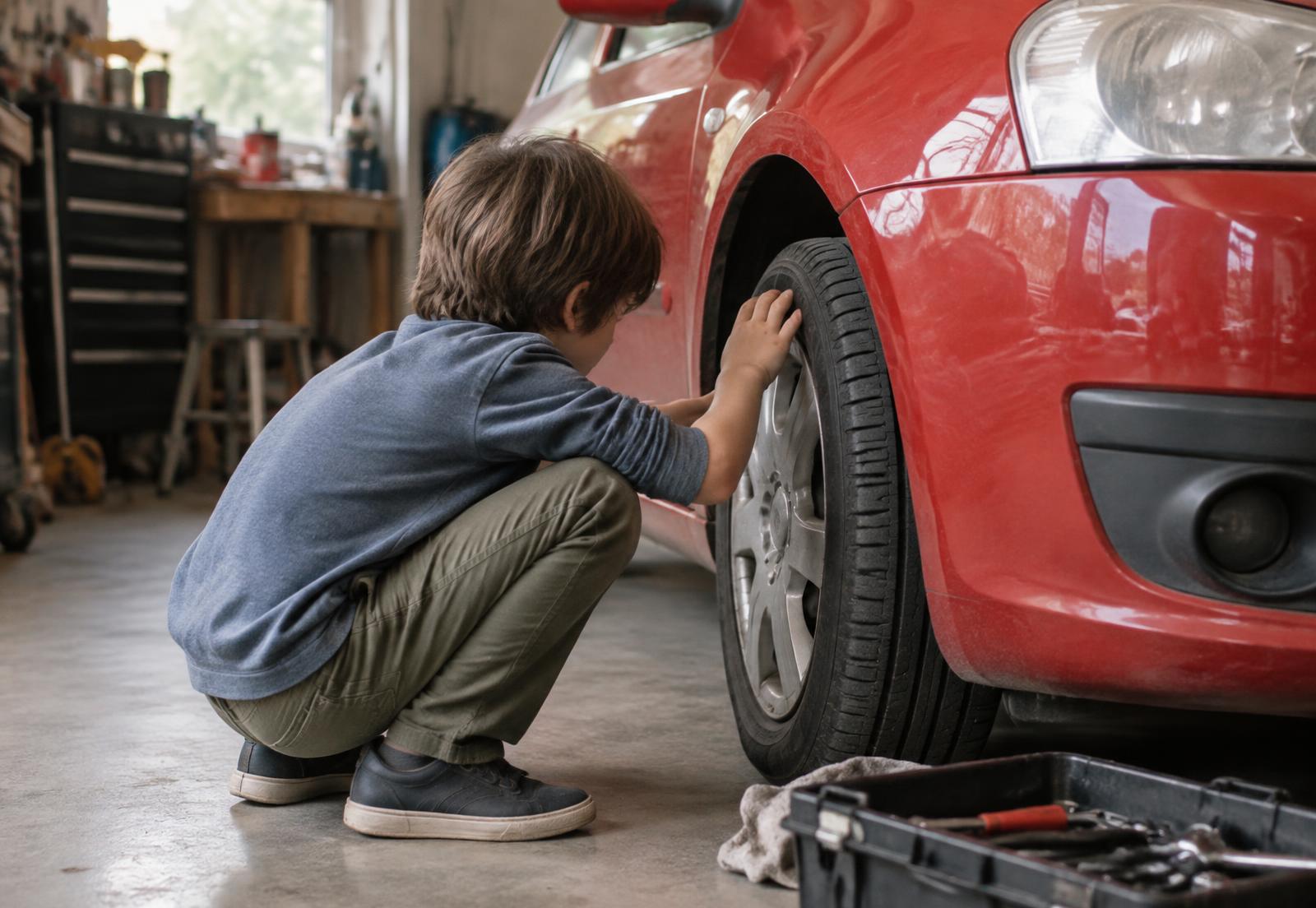
The proof · One fascination, followed honestly, from a toddler’s first push of a toy car to a teenager defending an engineering decision.
One fascination
What can a child learn from something they already care about?
Which direction could this go?
Proof · Fascination first
One fascination, two directions
What a learner notices, asks and is ready to explore determines where WSA goes next.
Proof · Growing in depth, 0–18
The learning changes with the learner
Why does this car travel differently on carpet than on a smooth floor?
The next step is shaped by what the learner can already do with the idea.
0–18 months
A smooth, flat surface with a robust, large wooden car. The car should be substantial enough to feel weighty.
4–5 years
Pre-cut wooden blocks (or slightly shaped wood), wheels, axles, sandpaper, paints, and weights. Focus on creating a car that rolls well.
7–9 years
Does adding weight or changing the surface make a toy car travel further?
You will makeA results table, bar chart and one-paragraph conclusion that answers the question using the data
11–13 years
Why does a heavier, boxier or faster car use more energy to travel the same distance?
You will makeWorked energy calculations, a short test report comparing two body shapes, and a justified design choice
15–16 years
What exactly must a small city car achieve, and which targets will you sacrifice to meet the ones that matter most?
You will makeA written engineering specification with measurable targets, energy estimate, trade-off table and justifications
16–18 years
What real mobility problem can you solve, and can your solution withstand expert questioning?
You will makeA project portfolio (proposal, source log, iteration log, test data, final report) and a recorded defence
Guidance enters when useful
Atelier Guide
Proof · Out into the world
The Atlas
Some interests begin as objects. The Atlas asks what places made them possible.
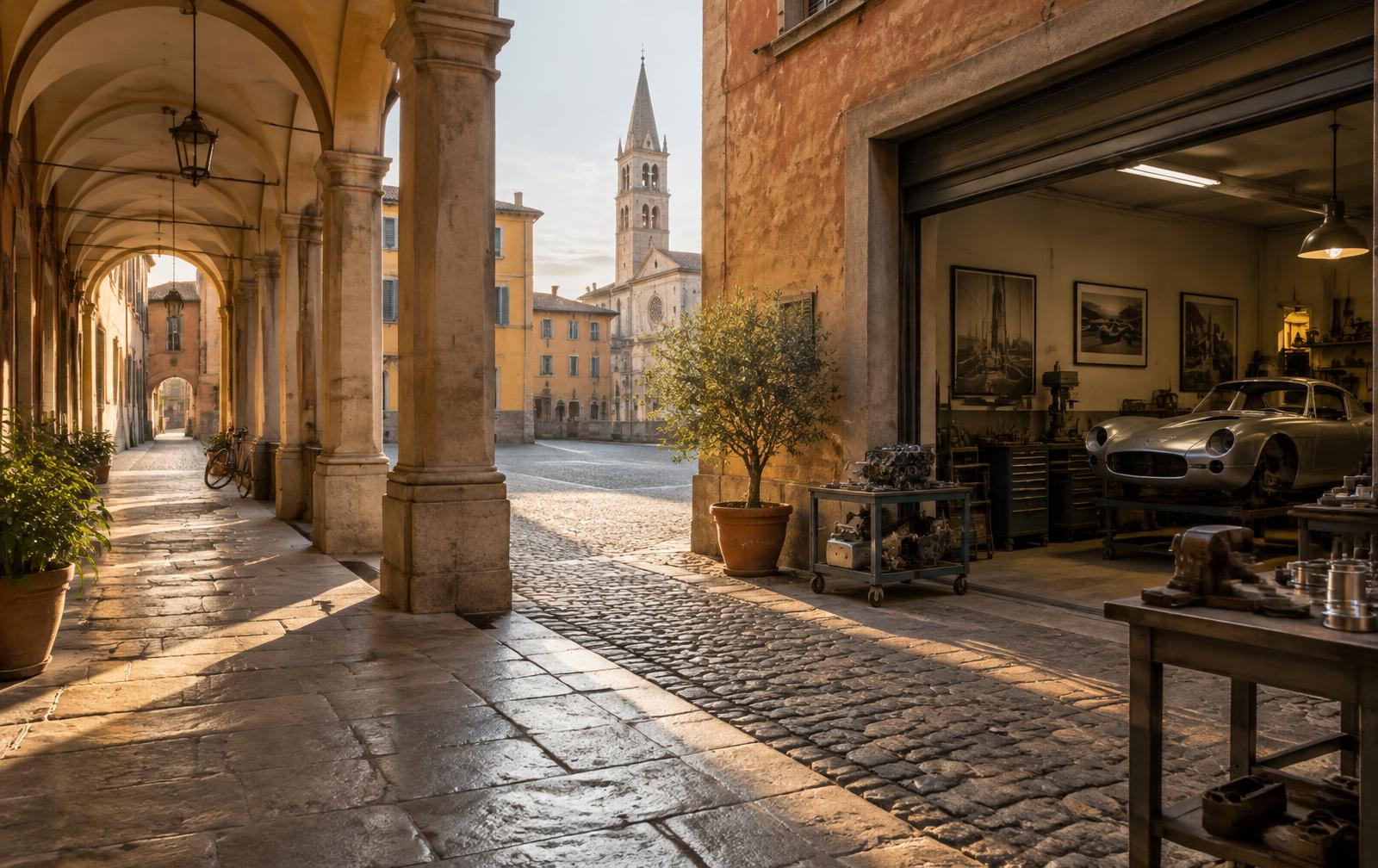
Why did a relatively small part of northern Italy become associated with some of the world’s most recognised performance cars?
Geography alone cannot explain it. What else had to be here?
craft tradition · engineering knowledge · regional industry
Place lens · Imagining Modena. What might we notice?
Start with the relationship between the city and the machines it became famous for.
Why here? Look at the roads, the surrounding industries, the materials and skills already present in the region. Ferrari did not emerge from nowhere.
What else would have needed to exist around a car company for it to become possible here?
Modena is an automotive illustration here, not an available WSA Place Study. Inside Cars, the current place continuation is Renaissance Hands in Tuscany: Brunelleschi’s hoists and reversible gearing carry the question of moving weight into Florence.
See how the Atlas works →Proof · Real work, kept in the Journal
WSA remembers the Journey
Forces · Materials · Engineering
Continue the Journey
What happens to braking materials when temperatures become extreme?
Proof · International academic confidence
Forces · Materials · Mathematics · Engineering · Energy
See where this learning connects
What the child experienced
Tyres, friction, heat and why performance changes.
Academic view
Physics
Forces · energy · thermal behaviour
Mathematics
Measurement · proportional reasoning · data
Design & Technology / Engineering connections
Materials · performance · constraints
The Atelier
The core WSA experience for ages 0–18. Personalised Journeys, Guides, progression, Journal and the wider WSA learning system.
Explore The Atelier →The Atlas
Place-based learning that connects a child’s interests to geography, history, culture, design, science, enterprise and the ideas that shaped a place.
Enter The Atlas →The Journey
A bespoke intellectual experience created for a particular trip, place or family adventure.
Discover The Journey →Cars was one beginning. Whatever your child is drawn to, and wherever your family is, WSA builds an education that moves with them.